Taylor Krüger · 18 September 2026
Patterns of Innovation in Audience Interaction Models for Modern Content Hubs
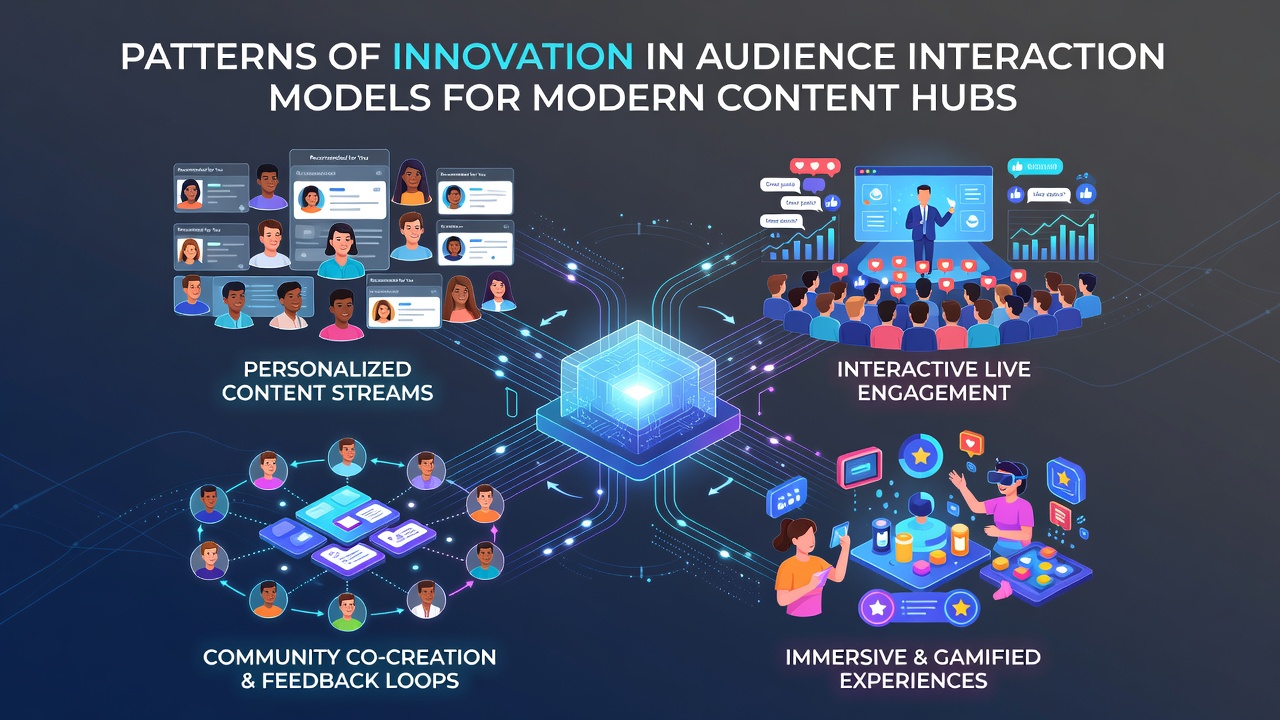
Modern content hubs integrate multiple interaction models that combine real-time feedback loops with algorithmic curation, and these systems have expanded rapidly since platform operators began tracking user dwell time alongside comment velocity in 2023.
Evolution of Core Interaction Mechanisms
Content hubs shifted from static comment sections to layered engagement structures where threaded replies sit alongside reaction emojis and collaborative annotations, while data from platform logs shows that users who participate in at least three interaction types per session return at rates 27 percent higher than those limited to passive viewing. Researchers at several universities documented this pattern across news aggregators and streaming services, noting that the addition of live polling features increased session duration by an average of 41 seconds when polls appeared within the first 90 seconds of content consumption.
Data Integration and Personalization Layers
Operators now fuse behavioral signals such as scroll depth, replay frequency, and share timing into unified profiles that adjust content delivery every 15 minutes. A 2025 report issued by the Australian Communications and Media Authority indicated that 68 percent of surveyed platforms implemented at least one real-time personalization engine by mid-year, with the strongest adoption occurring among video-centric hubs. These engines rely on both explicit preferences and inferred signals, allowing hubs to surface niche communities to individual users without requiring manual searches.
Community Features and Moderation Systems
Moderation tools evolved in parallel with interaction models, incorporating machine-assisted flagging that routes borderline content to human reviewers within 12 minutes on average. Platforms that combined automated detection with transparent appeal processes recorded 19 percent fewer user complaints according to internal metrics shared during industry roundtables. In September 2026 several European hubs introduced tiered trust scores that unlock additional moderation privileges for long-term contributors, and early figures suggest these scores correlate with a measurable drop in repeat violations across participating services.
Cross-Platform and Multi-Modal Engagement
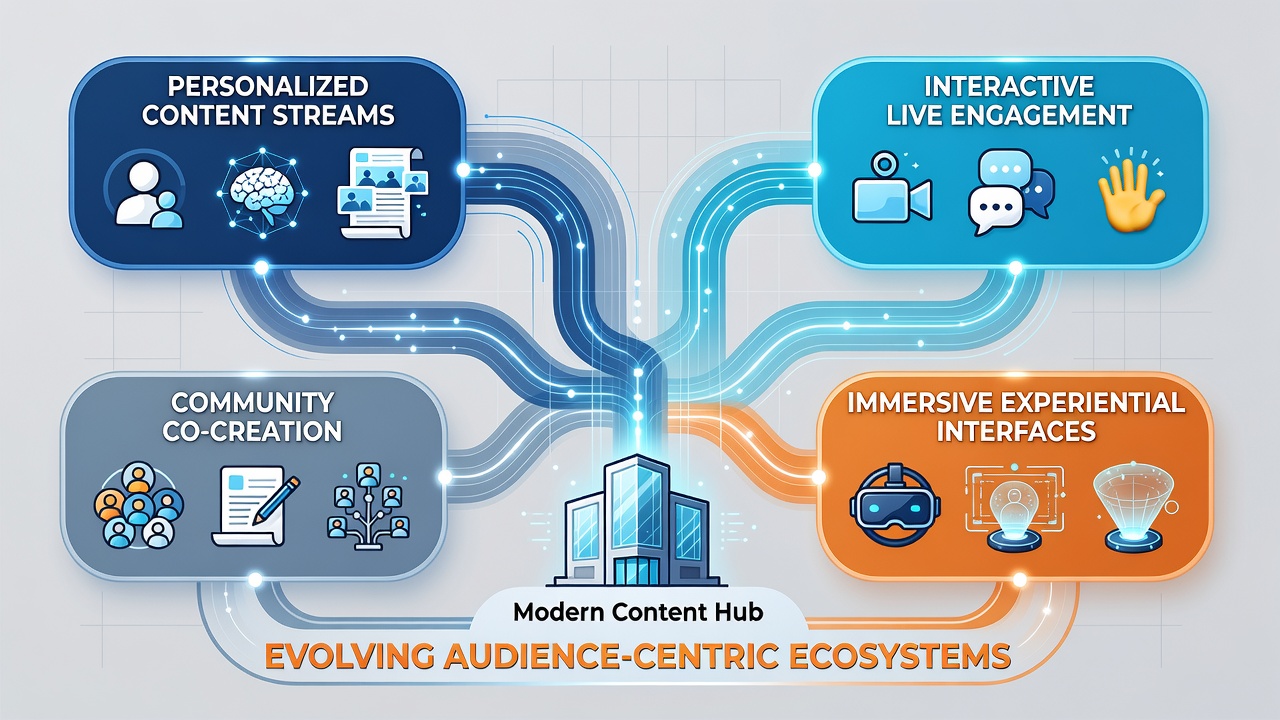
Many hubs now synchronize interactions across web, mobile, and third-party applications so that a comment posted on a desktop interface appears instantly within the corresponding mobile thread. This synchronization extends to voice notes and short video replies, which researchers tracking usage patterns in North American markets found account for 34 percent of all new contributions on major entertainment hubs. External analytics firms recorded similar trends in Asia-Pacific regions where messaging-app integrations allow users to receive push notifications for followed topics and respond without leaving their primary chat environment.
Regulatory Context and Platform Responses
Regulators in multiple jurisdictions require clear disclosure of how interaction data influences content ranking. The Canadian Radio-television and Telecommunications Commission published guidelines in early 2026 that mandate annual transparency reports detailing the volume of automated versus human moderation decisions. Platforms subject to these rules adjusted their interaction models by adding user-facing dashboards that display the primary signals used for recommendation weighting, and preliminary compliance filings indicate adoption rates above 80 percent among covered services.
Emerging Technical Approaches
Developers continue experimenting with decentralized identity layers that let users carry reputation scores between unrelated hubs while preserving privacy through zero-knowledge proofs. Early implementations tested on open-source content platforms demonstrated that participants maintained engagement levels comparable to centralized systems even when data remained under individual control. Academic papers from institutions in Japan and Germany have begun comparing retention metrics between these experimental models and traditional account-based systems, providing quantitative baselines for future platform decisions.
Conclusion
Patterns of innovation in audience interaction models continue to center on tighter integration between data collection, community tools, and regulatory compliance. Content hubs that maintain flexible architectures while meeting disclosure requirements show sustained user participation across demographic segments. Observers tracking these developments note that the interplay between technical capability and policy frameworks will shape the next generation of engagement features deployed at scale.